Tooth Extractions
Relieve Discomfort and Move Toward a Healthier Smile
A tooth that cannot be saved can affect your comfort, your bite, and your overall health. Tooth extraction removes the source of infection or damage so your mouth can begin healing and feel comfortable again. Dr. Ighani helps patients move out of pain with gentle care and a clear plan for healing and restoration when it is needed.
Protect Your Health and Prepare for What Comes Next
Sometimes a tooth cannot recover with treatments like fillings or root canal therapy. Removing it can help you:
- Stop ongoing pain or pressure
- Prevent infection from spreading
- Make room for orthodontic or restorative care
- Prepare your mouth for replacement options such as dental implants, bridges, or dentures
How Medical Conditions Shape Treatment Decisions
Some dental decisions are influenced not only by the condition of a tooth, but also by your overall health. Dr. Ighani combines years of clinical expertise with a personalized approach to understand your medical history so your procedure supports both your comfort and your long-term well-being.
For patients with diabetes, healing can sometimes take longer when blood sugar levels are not well controlled, which may increase the risk of infection around a compromised tooth. Advanced gum disease (periodontal disease) can also weaken the bone and tissue that support teeth, making it harder to maintain stability and comfort over time.
Other health factors may also be considered when planning care. Conditions like osteoporosis can affect bone strength, which plays an important role in long-term oral health and future treatment options. For patients undergoing cancer treatment, including radiation or certain medications, extra precautions are often taken to reduce the risk of complications and support safer healing. In every case, the focus is on creating a treatment plan that feels safe, thoughtful, and tailored to your needs.
Guiding You Through Each Step
1. Understanding the Source of the Problem
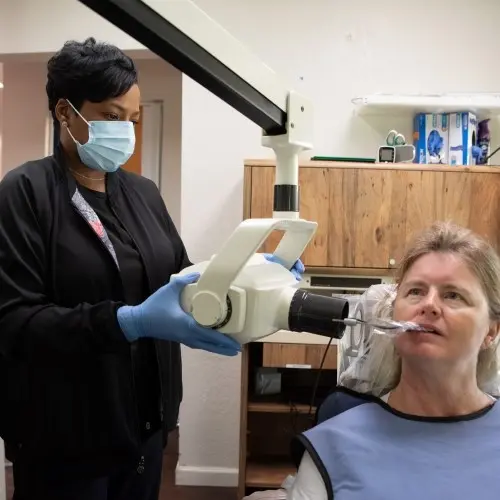
Digital X-rays allow Dr. Ighani to carefully evaluate the tooth, roots, and surrounding bone so the right plan can be created.
2. Gently Removing the Cause of Pain
Using precise, numbing techniques you will feel pressure but not pain. Sedation options may also be available if you feel anxious about treatment. Controlled techniques are used to loosen and remove the tooth while protecting nearby teeth and tissue.
3. Supporting Healing and Planning
You receive clear aftercare instructions to help you heal smoothly and lower the risk of complications. If needed, bone grafting may be recommended to prepare the area for a future dental implant.
A Team Committed to Your Comfort and Health
Frequently Asked Questions
No. Local anesthesia keeps you comfortable during the procedure. You may feel pressure, but not pain. Mild soreness afterward is normal and usually improves within a few days.
Initial healing often takes one to two weeks. The bone continues to heal over several weeks. Following aftercare instructions helps speed recovery.
Soft foods are recommended for the first few days. Examples include yogurt, soup, eggs, mashed potatoes, and smoothies. Avoid crunchy or hard foods until the area heals.
Many patients return to normal activities within one to two days. Strenuous activity should be avoided for several days to support proper healing.
Common replacement options include dental implants, dental bridges, and dentures. Dr. Ighani will help you choose the option that fits your needs and goals.
Contact our office if you notice severe pain, swelling that worsens after a few days, prolonged bleeding, or signs of infection. Early care helps prevent complications.